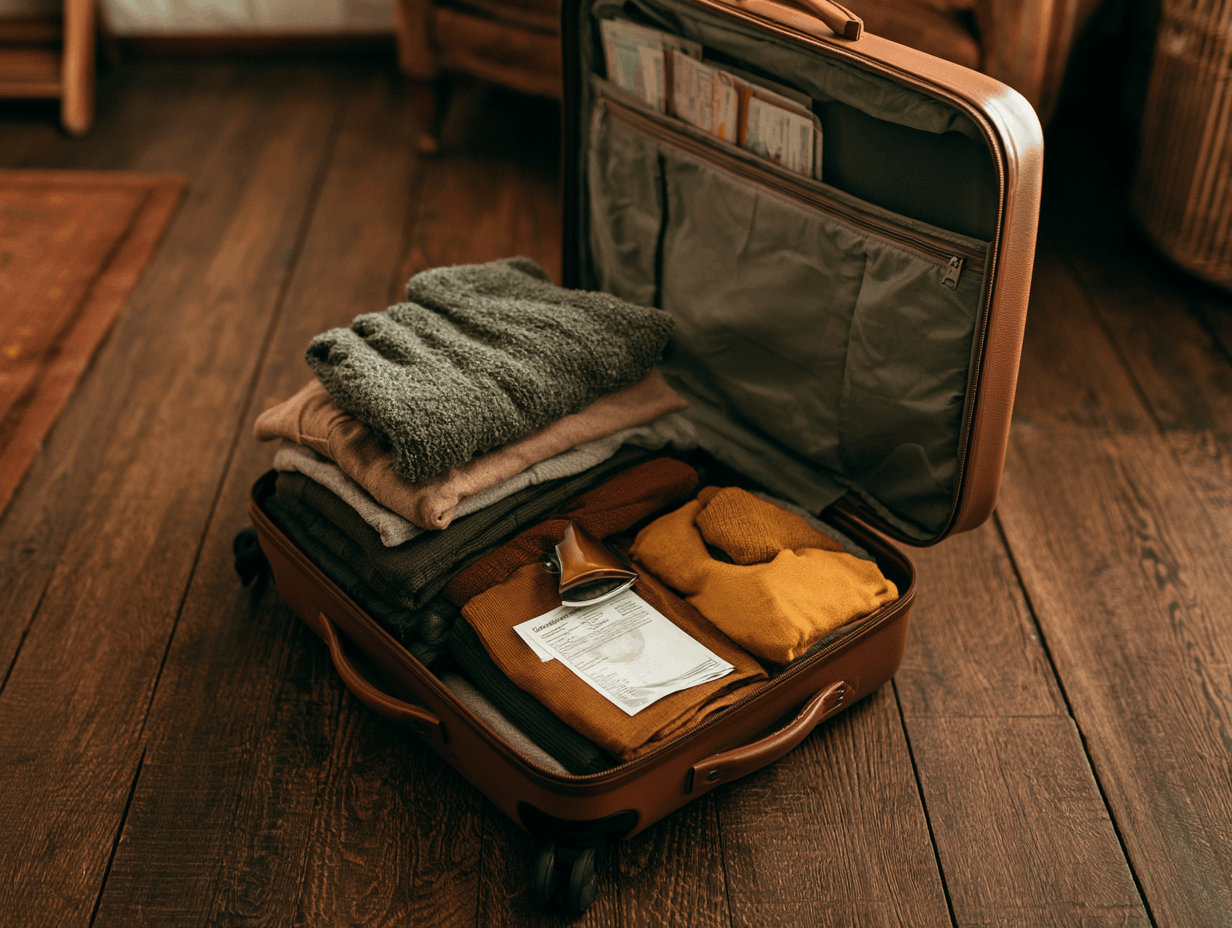
Unravel the practical side of longer journeys and the details start to matter more than the destination itself. Distant or multi-country trips bring their own set of rules around what you can carry, which papers you need, and how to keep the load manageable. This piece stays with the everyday realities of documents, luggage limits, visas and the small choices that decide whether the bag closes easily or becomes a problem at the first check.
Places
Most long-haul routes begin at the point where papers meet the counter. Passports need enough blank pages and validity that stretches beyond the planned return, often by several months. Visas vary widely. Some countries still stamp on arrival, others require applications weeks ahead, and a few demand proof of onward travel or funds before they even consider the request. Multi-country itineraries add another layer. Entry rules can change between neighbouring places, and a single visa may not cover the whole loop. Copies of the main documents, kept separate from the originals, still prove useful when something goes missing. Digital versions help, yet a printed set remains the safer option in places where screens or connections fail. The order of countries can affect the paperwork too. Entering one place first may ease the process for the next, while the reverse order creates extra steps.
Landscapes
Luggage rules sit in a different kind of terrain. Weight limits stay strict on most long flights, and the difference between cabin and checked bags can decide how much flexibility you keep once you land. Soft bags often prove easier to compress and fit into tight spaces than hard cases, especially when transport shifts to smaller vehicles or boats later in the trip. Packing lists work best when they stay short and tested. Layers that handle both heat and cooler evenings, a pair of shoes that can manage walking and the occasional rough path, and a small kit for basic repairs or sudden weather changes cover most needs. Liquids and sharp items still follow the familiar cabin restrictions, and the rules can tighten further on certain routes. For multi-country stretches the bag has to adapt. What works for a city stay may prove too heavy once the route moves into higher or more remote ground, so leaving space for local purchases or simply accepting that some items will stay behind becomes part of the plan.
Cultures
Local habits around documents and bags can differ more than expected. Some places check papers at every internal border or even on long-distance buses, while others barely glance once the first entry is cleared. Attitudes toward luggage also shift. In certain regions a large bag draws attention or simply becomes impractical on crowded transport, so smaller loads move more easily. Practical advice often comes down to watching how people around you handle the same steps. Keeping the essential papers in a single accessible place, rather than scattered through pockets and compartments, saves time when a check appears without warning. What frequently catches travellers off guard is how quickly a small oversight, a missing stamp or an overweight bag, can slow everything down. Building in a little extra time at each transition usually proves more useful than any detailed checklist.
Long-haul travel does not reward over-preparation as much as clear priorities. The documents open the doors, the luggage rules set the limits, and the packing choices decide how freely you can move once the journey is underway. Keeping all three in reasonable balance tends to make the distance feel more manageable.
Leave your email if you would like occasional notes about new stories and quiet destinations.
No frequent messages, just the ones worth reading.
© 2026 Unravel PLC LLC. All rights reserved.
