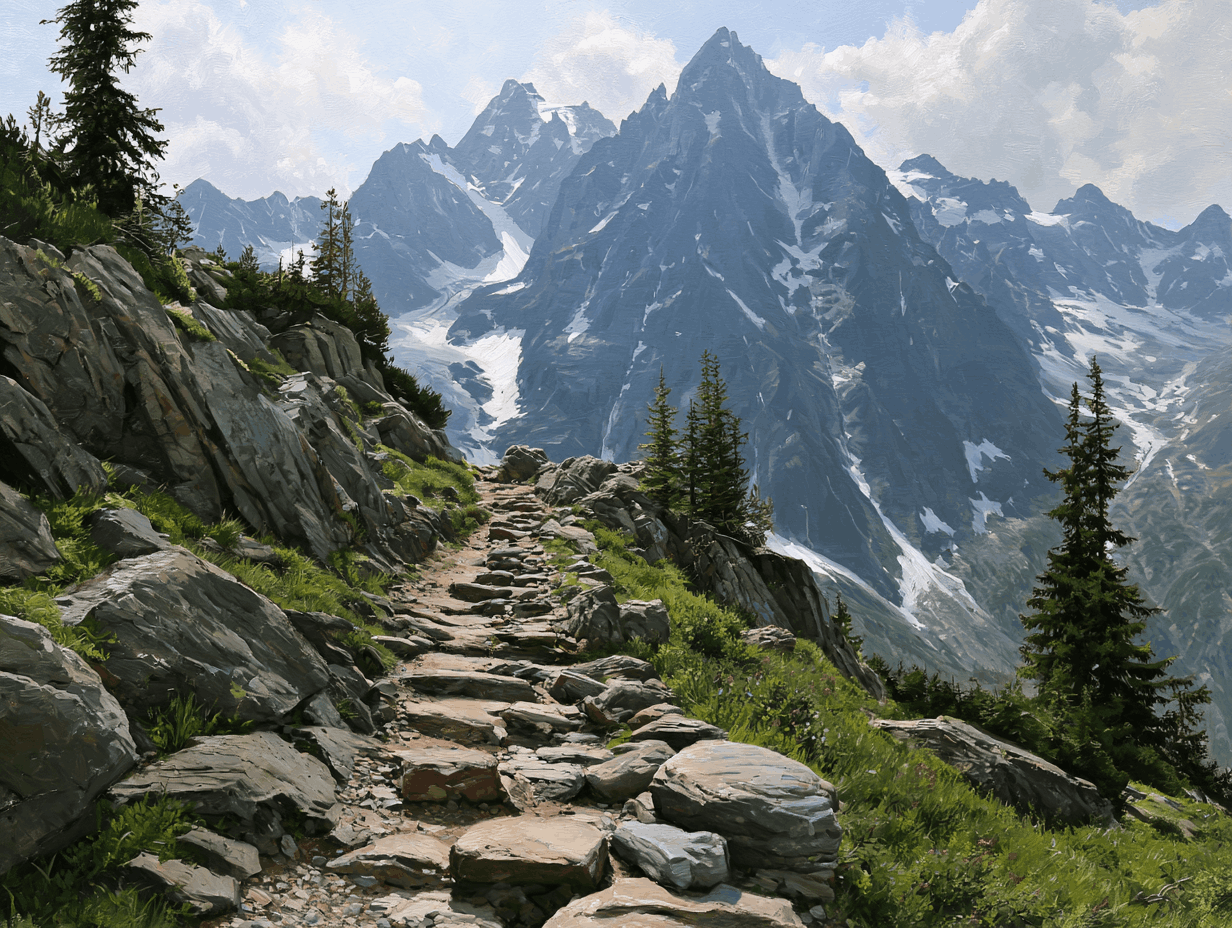
Unravel the practical side of highland and park trips and the preparation starts to matter as much as the views. National parks and mountain areas bring their own demands around what goes in the bag, how the route is chosen, the weather that can shift without much warning, and the basic steps that keep the day safer. This piece stays with those everyday choices, the points where a small oversight can change the plan, and the habits that make the ground feel more manageable.
Places
Most nature trips begin with the route itself. Maps and trail descriptions still form the base, yet conditions on the ground can differ from what appears on paper. Some paths stay clear and well marked, others fade into the landscape once you leave the main access points. Planning needs to account for distance, elevation gain and the time required at a steady pace rather than an optimistic one. Entry points to parks often have their own rules about permits or opening hours, and these can change with the season. Starting early usually helps, both for light and for avoiding the busier stretches of trail. The choice of where to sleep or rest also shapes the day. Designated sites or simple shelters may be the only options in higher areas, and carrying what is needed for a night out adds weight that has to be balanced against comfort.
Landscapes
Weather sits at the centre of most mountain days. Clear mornings can turn to cloud and rain by afternoon, and temperatures drop faster once the sun leaves the slopes. Layers that can be added or removed remain more useful than a single heavy piece. Waterproof cover for both body and bag still proves its worth when the showers arrive. Footwear needs to handle uneven ground, wet sections and the occasional stream crossing without turning the feet into a problem. Packing lists work best when they stay realistic. Water, a simple way to treat more if needed, food that does not spoil quickly, and a small kit for blisters or minor issues cover the core. Extra items tend to stay unused and only add load. In higher areas the air itself changes the effort. Pacing becomes more important, and rests need to be built in rather than left to chance.
Cultures
Local habits around these places can differ from city expectations. Some parks ask visitors to stay on marked paths to protect the ground, while others allow more freedom once you move beyond the main zones. Attitudes toward noise and litter stay fairly consistent, and following the simple leave-no-trace approach usually matches what the people who work or live nearby already practice. What frequently catches people off guard is how quickly conditions can isolate a group. A turned ankle or a sudden drop in visibility turns a straightforward walk into something slower and more serious. Basic safety steps, telling someone the plan, carrying a way to signal or call if signal exists, and knowing when to turn back, still matter more than any detailed gear list. Watching how experienced walkers move through the same terrain often gives clearer guidance than written advice alone.
Mountain and nature trips do not reward heavy preparation as much as clear priorities. The route sets the frame, the weather and packing decide the comfort, and the safety habits keep the margins wider. Keeping all three in reasonable balance tends to make the higher ground feel more open once the path begins to rise.
Leave your email if you would like occasional notes about new stories and quiet destinations.
No frequent messages, just the ones worth reading.
© 2026 Unravel PLC LLC. All rights reserved.
