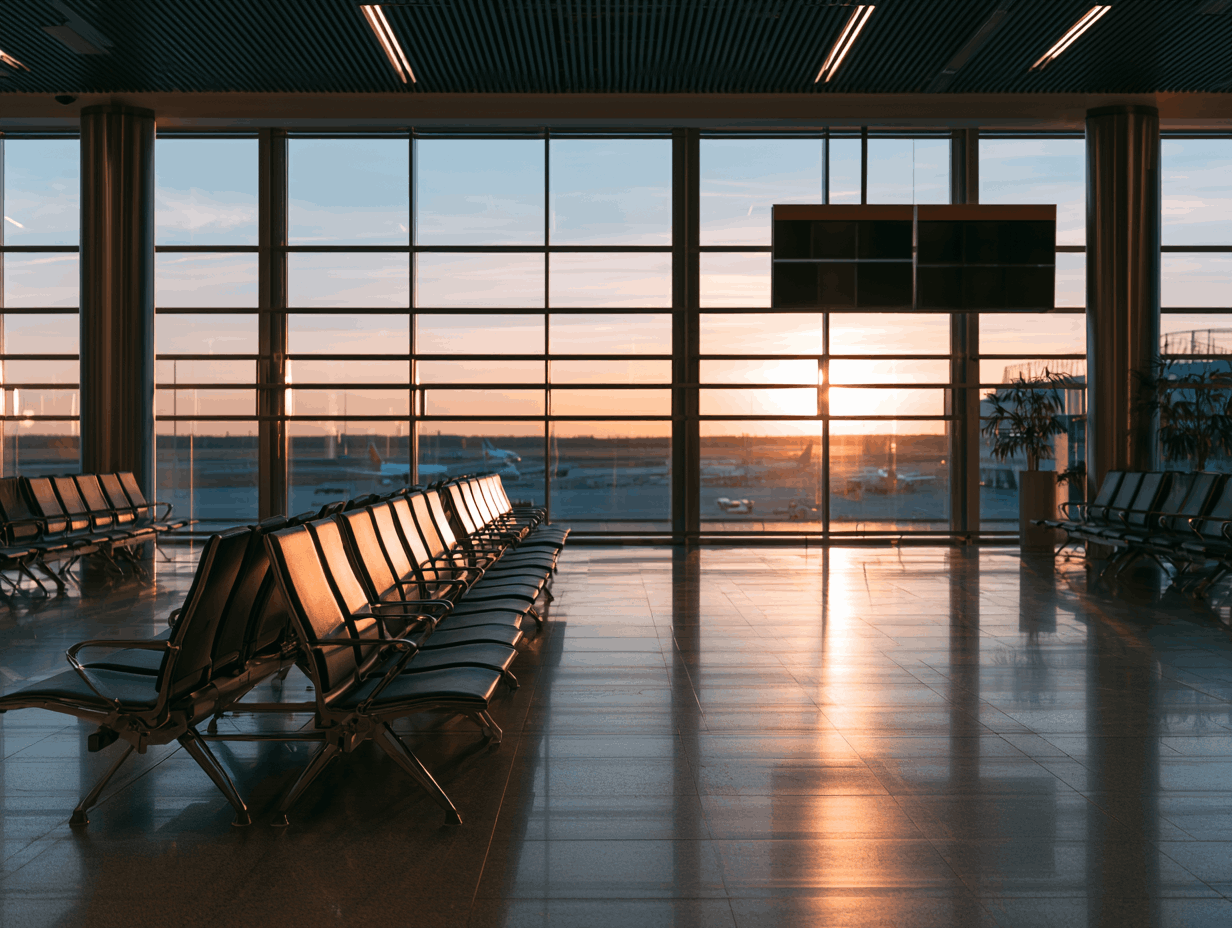
Unravel the practical side of air travel and the journey begins long before the seatbelt sign. Airports and long flights bring their own set of small decisions around check-in, security lines, cabin limits and the simple ways to stay more comfortable once the doors close. This piece stays with those everyday steps, the points where time can slip away, and the habits that make the hours in the air feel less heavy.
Places
Most flights start at the check-in area, whether the process happens online or at a desk. Arriving with enough margin still matters, especially when bags need to be tagged or when the system asks for extra confirmation of documents. Security comes next and tends to move at its own pace. Liquids stay restricted, laptops and larger electronics usually need to come out, and shoes or belts can slow the line if they set off the scanners. Cabin rules remain fairly consistent across most routes. The bag that fits under the seat or in the overhead bin has to meet size limits, and anything oversized often ends up gate-checked at the last moment. Seating choices can shape the whole stretch. A spot near the front may mean faster exit, while a place over the wing sometimes feels steadier. The layout of the airport itself also plays a part. Some terminals keep everything compact, others require long walks or extra train rides between sections, so a quick look at the flow before you move can save steps later.
Landscapes
The cabin becomes its own narrow landscape once the aircraft leaves the ground. Air stays dry, the temperature can shift, and the hours stretch in ways that feel different from time on the ground. Simple steps help. Drinking water more than usual counters the dryness, and moving the legs or walking the aisle when it is safe keeps the body from stiffening. Light layers work better than heavy clothes because the temperature rarely stays constant. Noise and light vary too. Some travellers prefer the window for a sense of boundary, others choose the aisle for easier movement. Food and drink service follows its own rhythm, and having a small snack of your own can bridge the gaps if the timing does not match your hunger. For longer flights the day and night cycle can blur. Setting a rough plan for rest, even if sleep stays light, often leaves you clearer on arrival than trying to push through without any pause.
Cultures
Local habits around airports and flights can differ more than expected. In some places the queue forms early and stays orderly, while in others people gather closer to the gate only when boarding begins. Attitudes toward personal space in the cabin also shift. A polite request still works better than silence when seats or armrests need adjusting. What frequently surprises people is how much smoother the process feels when the small rules are treated as shared rather than obstacles. Keeping documents and small items in one accessible place, rather than buried in bags, reduces the scramble at each checkpoint. The same applies to the final stages. Listening for the gate changes or the boarding group saves the last-minute rush that often creates more stress than the flight itself.
Flying long distances does not reward rushing as much as steady attention to the sequence. Check-in and security open the way, the cabin rules set the limits, and the small comfort habits decide how the hours pass. Keeping all three in reasonable balance tends to make the journey feel more straightforward once the wheels leave the ground.
Leave your email if you would like occasional notes about new stories and quiet destinations.
No frequent messages, just the ones worth reading.
© 2026 Unravel PLC LLC. All rights reserved.
